How to Tell When It’s Time to Repave vs. Repair Your Asphalt Driveway
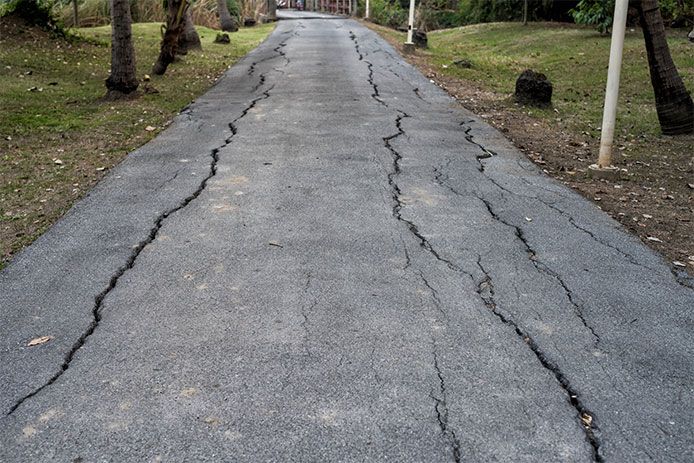
Your asphalt driveway is one of the first things people notice about your property. A smooth, well-maintained surface not only enhances curb appeal but also protects your investment. Over time, however, even the best driveways develop cracks, potholes, and faded spots. The big question is — should you repair or repave your asphalt driveway?
Whether you live in Loveland, Windsor, Estes Park, Boulder, or Longmont, understanding the signs of wear and knowing when to act can save you thousands in the long run.
1. Understanding Asphalt Deterioration
Colorado’s extreme temperature swings, freeze-thaw cycles, and UV exposure take a toll on asphalt. Small cracks allow water to seep in, which freezes and expands — gradually breaking down the pavement. Add vehicle weight and the effects of de-icing salts, and deterioration can accelerate quickly.
2. When to Repair Your Driveway
Asphalt repairs are best for driveways that still have a solid foundation and only minor surface damage. Here are some common repair options and signs that your driveway may qualify:
✅ Signs You Should Repair:
Small cracks (less than ¼ inch wide)
Slight fading or discoloration
Minor potholes that haven’t spread
Localized damage in one area, not across the whole driveway
🔧 Repair Options:
Crack filling: Prevents moisture from getting below the surface.
Patching: Fixes small potholes or damaged sections.
Sealcoating: Adds a protective layer, restoring color and slowing future damage.
💡 Pro Tip: Regular maintenance every 2–3 years in places like Loveland and Longmont can extend your driveway’s lifespan by up to 10 years.
3. When It’s Time to Repave
If your driveway is showing widespread issues, repairs might just be a temporary fix. Repaving — removing the top layer and installing new asphalt — is the smarter long-term solution when the damage runs deep.
🚧 Signs You Should Repave:
Deep cracks or “alligator” cracking across large areas
Widespread potholes
Drainage issues causing pooling water
Uneven or sinking sections
Driveway older than 15–20 years
Repaving provides a brand-new surface and ensures structural stability. Homeowners in Windsor and Boulder, where snowmelt and heavy runoff can cause serious sub-surface issues, often benefit most from a full repave.
4. Cost Comparison: Repair vs. Repave
Type of Work Average Lifespan Approximate Cost (per sq. ft.) Best For
Crack Filling 1–3 years $0.50–$1.00 Minor cracks
Sealcoating 2–4 years $0.75–$2.00 Surface protection
Patching 3–5 years $2.00–$4.00 Localized damage
Repaving 15–20 years $3.00–$7.00 Major damage or aging driveways
While repairs may seem cheaper upfront, repaving often offers better value when structural damage exists.
5. Extend Your Driveway’s Lifespan
No matter where you live — from Estes Park’s mountain weather to Boulder’s urban streets — prevention is key. Here’s how to protect your investment:
Schedule sealcoating regularly.
Keep the surface clean and free of oil stains.
Ensure proper drainage away from your driveway.
Avoid using sharp tools for snow removal.
Final Thoughts
If your driveway shows only minor surface wear, repairing and sealcoating may buy you several more years. But if you’re facing widespread cracking, drainage issues, or a bumpy surface, it’s likely time to repave.
A professional inspection from a trusted local asphalt contractor can help you decide which option makes the most sense for your property — and your budget.
Whether you’re in Loveland, Windsor, Estes Park, Boulder, or Longmont, the right maintenance choice today can keep your driveway strong, smooth, and beautiful for years to come.
asphalt driveway repair, asphalt repaving, Loveland asphalt repair, Windsor driveway paving, Boulder asphalt company, Longmont paving contractors, Estes Park driveway repair, Colorado asphalt maintenance, sealcoating, driveway resurfacing