Cracked Asphalt and Potholes in Parking Lots: A Growing Source of Personal Injury Claims
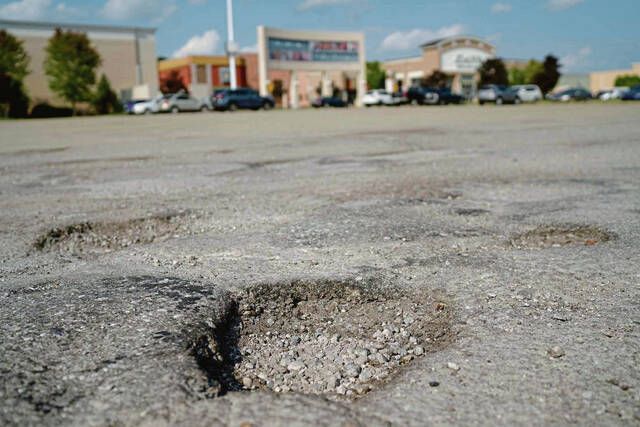
When people think about potholes and cracks in asphalt, they often picture vehicle damage on the road. But in many cases, the bigger risk isn’t to cars—it’s to people. Parking lots with uneven pavement, potholes, or crumbling asphalt are leading to a rising number of personal injury claims, often involving trip-and-fall accidents.
Why Parking Lots Are Risky:
Unlike highways, where damage is felt at high speeds, parking lots bring pedestrians directly into contact with deteriorating pavement. Common hazards include:
Potholes and depressions that catch feet and ankles.
Cracks and heaving asphalt that create uneven walking surfaces.
Faded striping and poor lighting that make hazards hard to see at night.
Standing water in potholes, hiding the depth of the danger.
These conditions create a perfect recipe for injuries such as sprains, fractures, and head trauma—especially for elderly or disabled individuals.
The Legal Landscape:
Property owners have a duty to maintain safe premises for customers, employees, and visitors. In many states, failure to fix obvious hazards like potholes can expose owners and property managers to premises liability lawsuits.
Typical personal injury claims in parking lots cite:
Negligence in maintenance – failing to repair known defects in a timely manner.
Failure to warn – no cones, signage, or barriers around hazardous areas.
Inadequate lighting – making cracks and potholes difficult to detect.
When successful, these claims can lead to significant payouts for medical expenses, lost wages, pain and suffering, and attorney fees.
Statistics That Matter:
More than 50% of all premises liability claims in the U.S. are slip-, trip-, and fall related (National Floor Safety Institute).
Parking lot and walkway accidents are among the top five causes of personal injury lawsuits against businesses (Insurance Journal).
The average premises liability settlement for trip-and-fall cases can range from $15,000 to $45,000, while severe injuries may exceed six figures.
Elderly individuals are at higher risk: falls account for 95% of hip fractures in adults 65 and older (CDC).
Reducing Risk: What Businesses Can Do
For property managers, prevention is far cheaper than litigation. Steps include:
Regular inspections to spot cracks and potholes early.
Prompt repairs such as crack sealing, patching, or resurfacing.
Adequate lighting and signage to reduce hidden hazards.
Documentation of inspection and maintenance routines to demonstrate due diligence.
Many insurers now recommend (or even require) documented parking lot maintenance programs to mitigate liability exposure.
Takeaway:
Cracked asphalt and potholes in parking lots are more than an eyesore—they’re a liability risk with real financial consequences. For property owners, proactive maintenance protects both people and profits. For insurers, rising personal injury claims highlight the importance of risk assessment and policy clarity. And for pedestrians, awareness of these dangers is the first line of defense.
By treating parking lots as extensions of the workplace or storefront—not as afterthoughts—businesses can cut down on injuries, lawsuits, and insurance costs.