Our Asphalt Services and Their Benefits
Seal Coating is a protective layer applied to asphalt surfaces to protect from damage caused by
sunlight, water, oil, and chemicals. It helps slow down wear and oxidation, extends the life of the
pavement, while also restores the dark, clean appearance of the asphalt.
Slurry / Chip Seal is a thin protective layer of asphalt emulsion, fine aggregates, and water that is
applied to the surface of existing pavement. It helps seal small cracks, improve skid resistance, and
protect the asphalt from weather and oxidation, extending the life of the pavement.
Crack Seal is the process of filling and sealing cracks in asphalt with a flexible rubberized material
to prevent water and debris from entering the pavement. By sealing cracks early, it helps stop
further damage, slows pavement deterioration, and extends the life of the asphalt surface.
Infrared is a repair method that uses infrared heat to warm the existing asphalt so it can be
softened, reworked, and seamlessly blended with new material. This service is recommended as
mostly a cosmetic repair on newer asphalt surfaces.
Asphalt Patching is the process of repairing damaged areas of pavement, such as potholes,
depressions, or severely cracked sections, by removing the damaged asphalt and replacing it with
new material. This service restores the surface’s strength and smoothness while preventing the
damage from spreading and causing larger structural issues.
Mill & Overlay is a repair process where the top layer of damaged asphalt is milled (removed)
and replaced with a new layer of fresh asphalt. This restores a smooth, durable driving surface and
extends the life of the pavement without needing a full reconstruction.
Full Remove & Replace is the process of completely removing the existing asphalt pavement,
repairing or replacing the subbase, and installing a new asphalt surface. This service is typically
used when the pavement has severe structural damage and provides a long-term solution by
rebuilding the surface for maximum strength and durability.
Stages of Asphalt Deterioration TESTMARK123
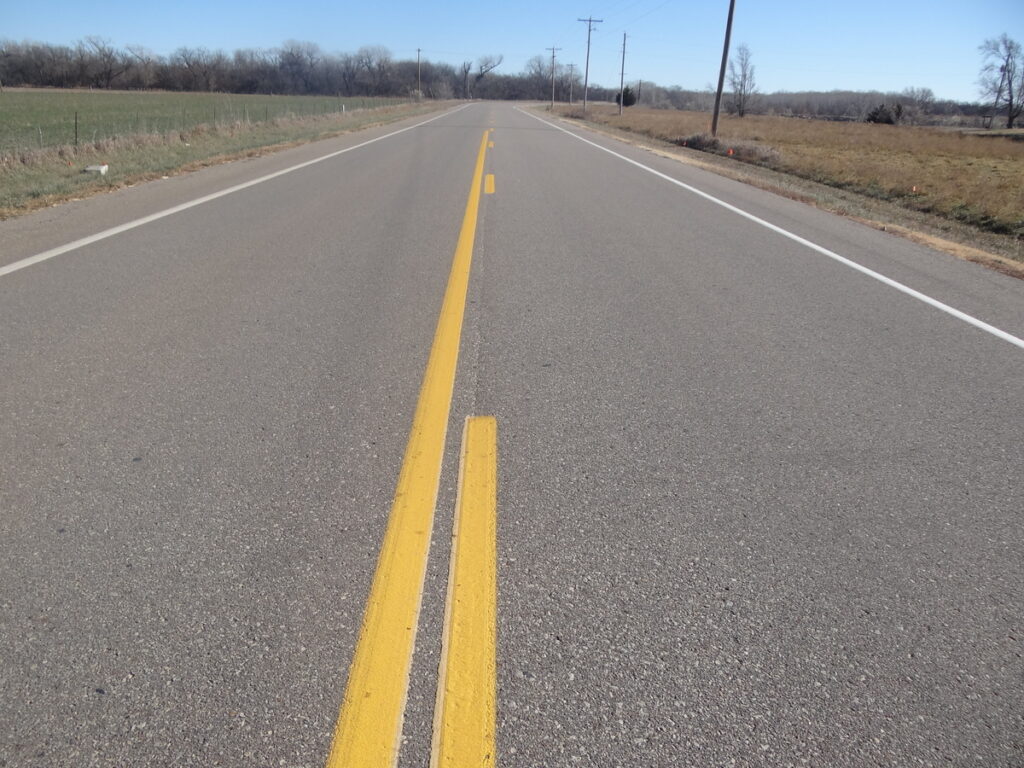
NEW / RENEWED
Minimal to no oxidation or
aggregate unraveling.
Recommended Service For This Stage
- Seal Coat / Slurry Seal
- Crack Seal
- Infrared
- Patching
- Mill & Overlay
- Full Remove & Replace
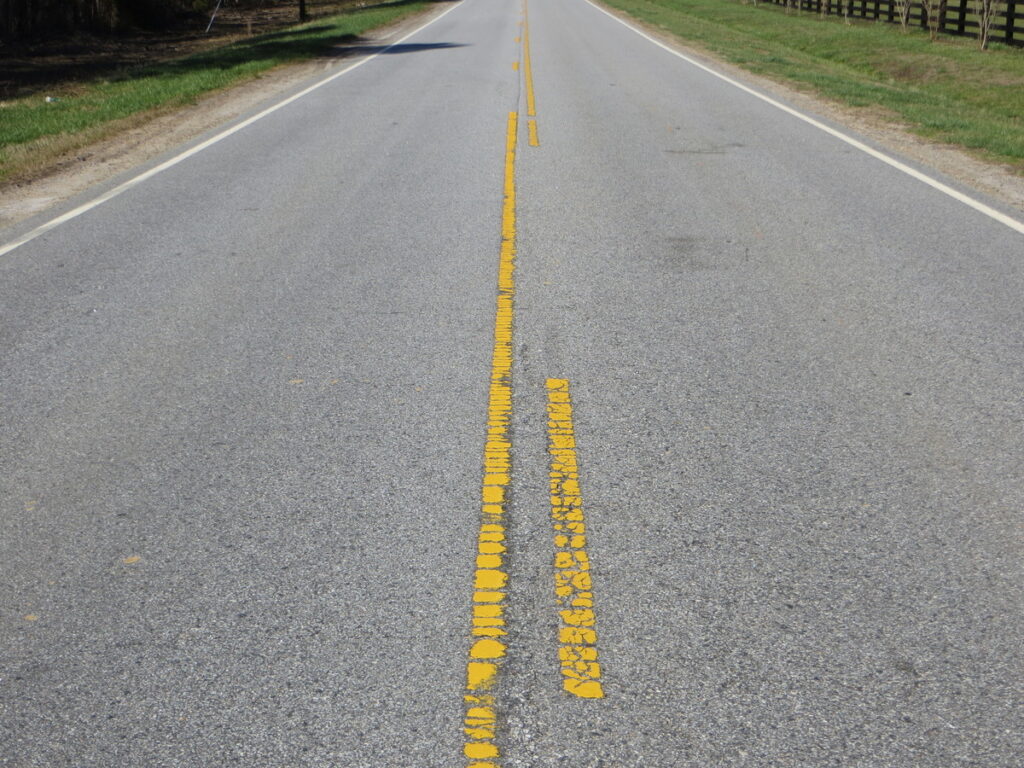
FIRST SIGNS OF AGING
Some oxidation, discoloration,
and tiny cracks.
Recommended Service For This Stage
- Seal Coat / Slurry Seal
- Crack Seal
- Infrared
- Patching
- Mill & Overlay
- Full Remove & Replace
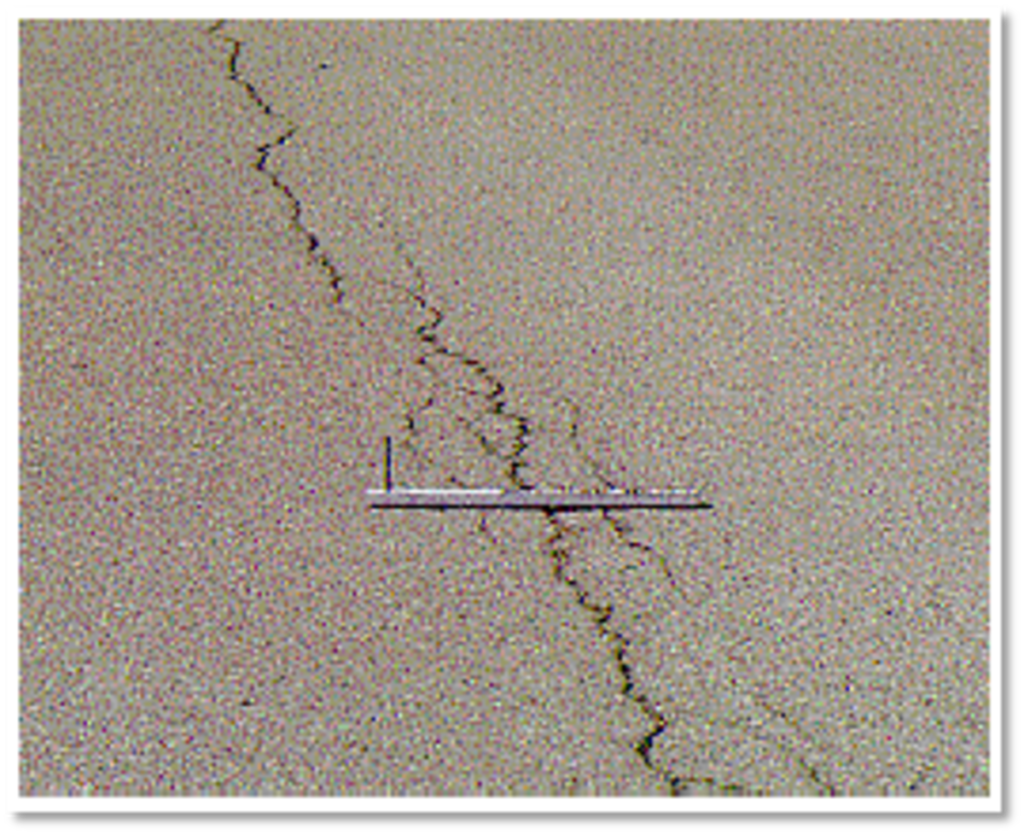
SIGNS OF SURFACE WEARING
Surface cracking, discoloration,
unraveling.
Recommended Service For This Stage
- Seal Coat / Slurry Seal
- Crack Seal
- Infrared
- Patching
- Mill & Overlay
- Full Remove & Replace
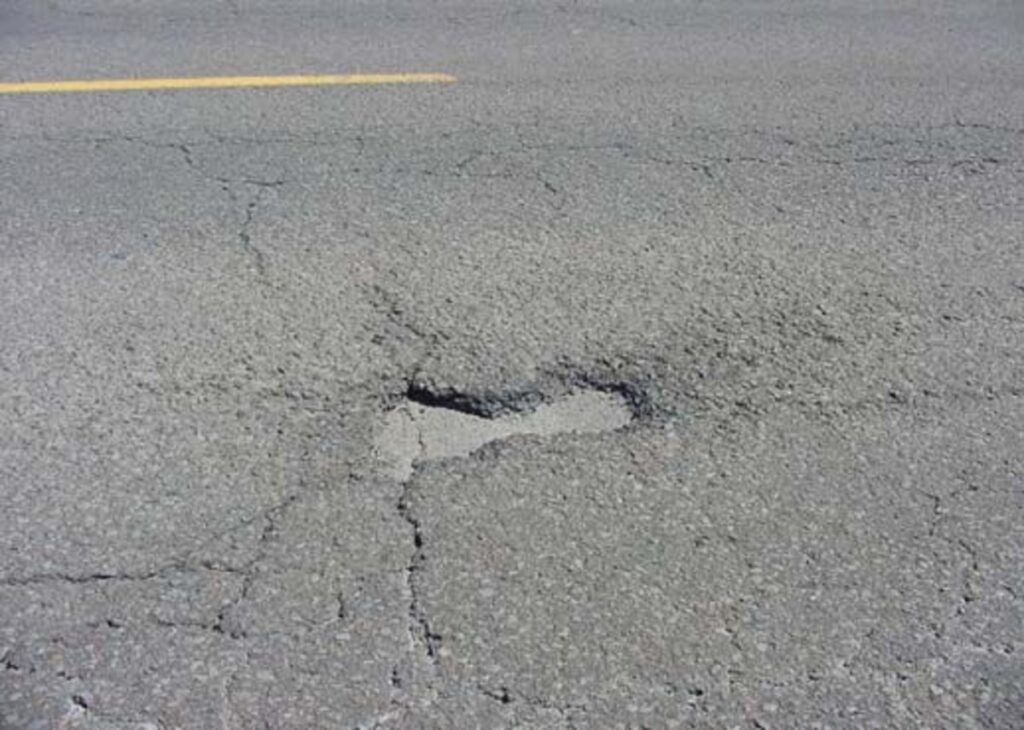
PATCHING NEEDED
Potholes, centralized
subsurface failures.
Recommended Service For This Stage
- Seal Coat / Slurry Seal
- Crack Seal
- Infrared
- Patching
- Mill & Overlay
- Full Remove & Replace
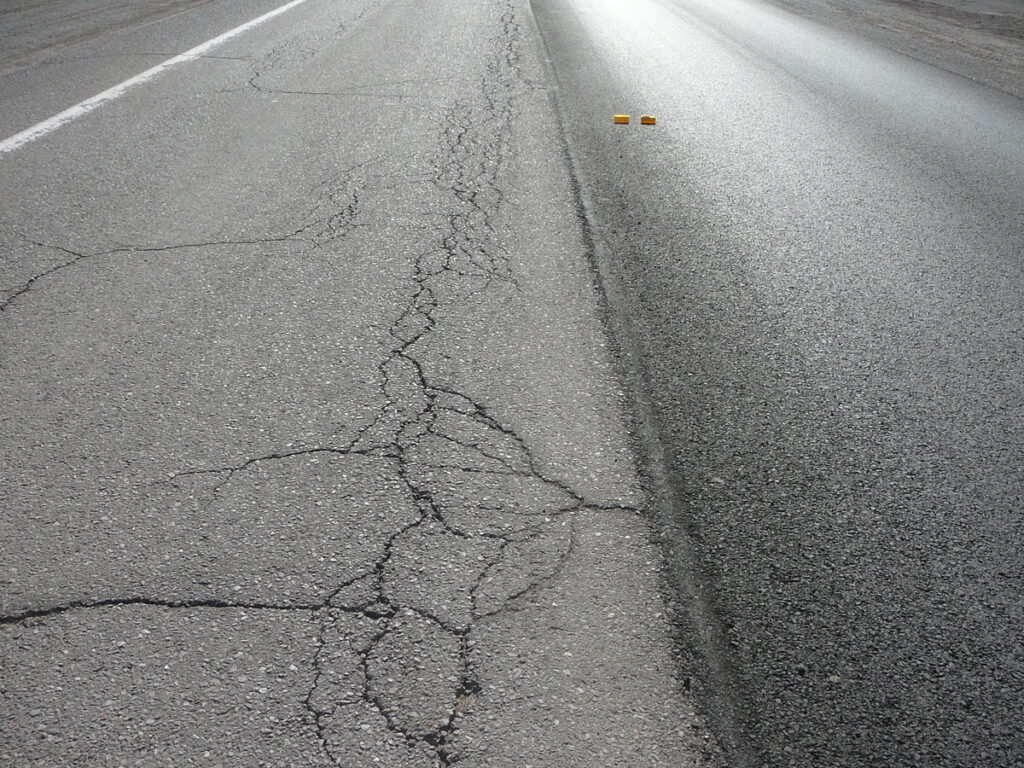
SURFACE FAILURE
Severe cracking and unraveling,
but sub-base still structurally
sound.
Recommended Service For This Stage
- Seal Coat / Slurry Seal
- Crack Seal
- Infrared
- Patching
- Mill & Overlay
- Full Remove & Replace
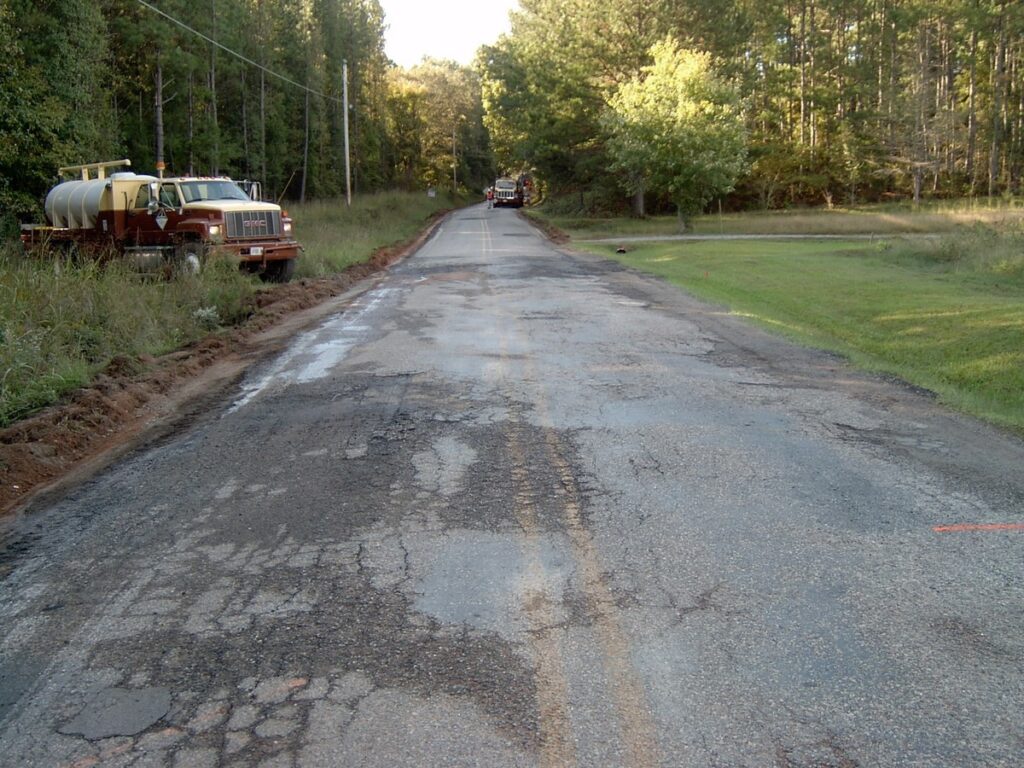
TOTAL SURFACE
& SUBSURFACE FAILURE
Severe cracking, rutting, low
points, potholes, unraveling.
Recommended Service For This Stage
- Seal Coat / Slurry Seal
- Crack Seal
- Infrared
- Patching
- Mill & Overlay
- Full Remove & Replace
Suggested Pavement Care Schedule
Years 1-3: New, Like-New, Reconditioned, or Overlayed
No expected routine maintenance. Monitor for emerging crack, damages, unraveling, and poor installation issues.
Years 4-9: Early Routine Maintenance to Double Lifespan
Invest in maintenance to double the asphalt’s lifespan. Fill cracks to prevent water intrusion. Seal Coat to protect again UV, moisture penetration, and chemical damages. Repair localized pothole and patches.
Years 10-16: Recondition, Seal Coat/Slurry, and Overlay
Continue repairs to extend asphalt lifespan. Macro crack filling, patching, pothole repairs, continued microcrack protection with seal coating and/or slurry sealing.
Years 17-20+: Remove, Rebuild, Replace
Surface milling and overlay. Excavation of existing asphalt and sub-base, replace and compact sub-base, and new pavement.
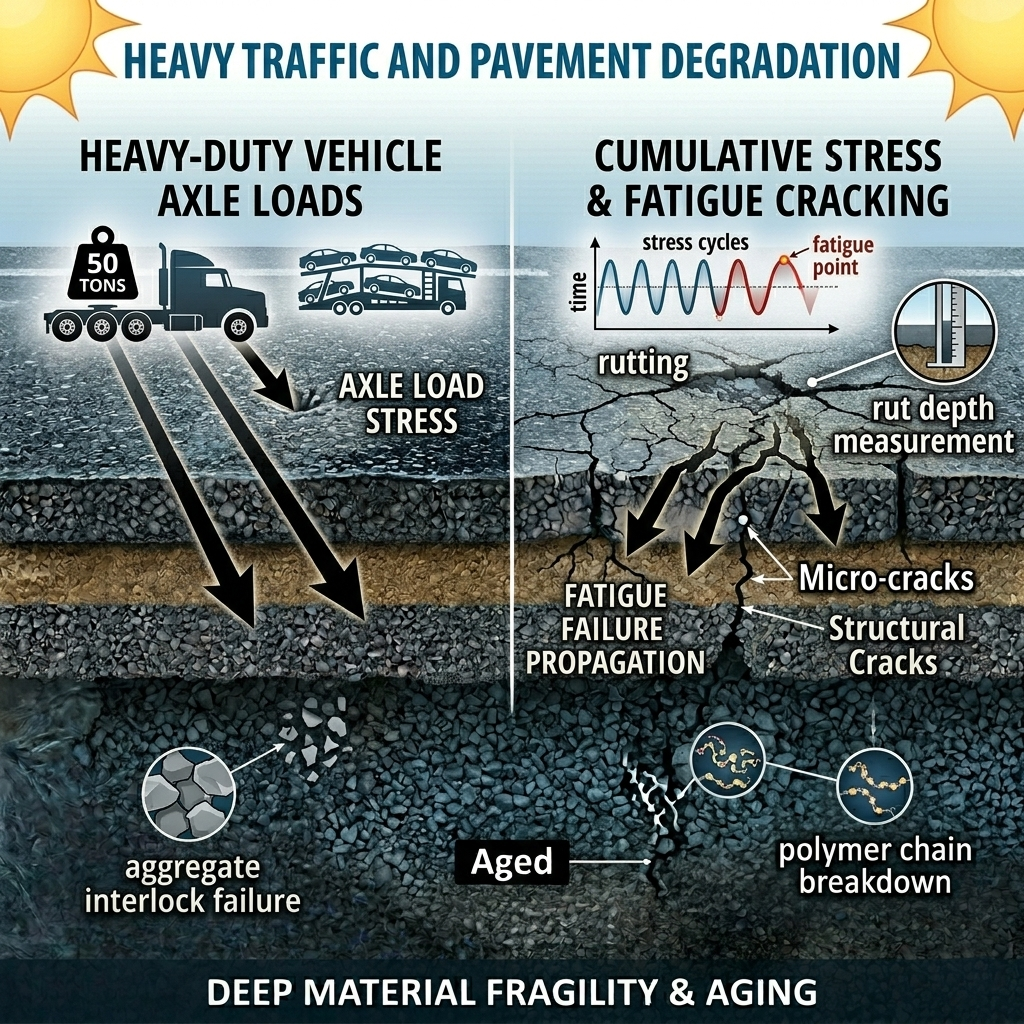
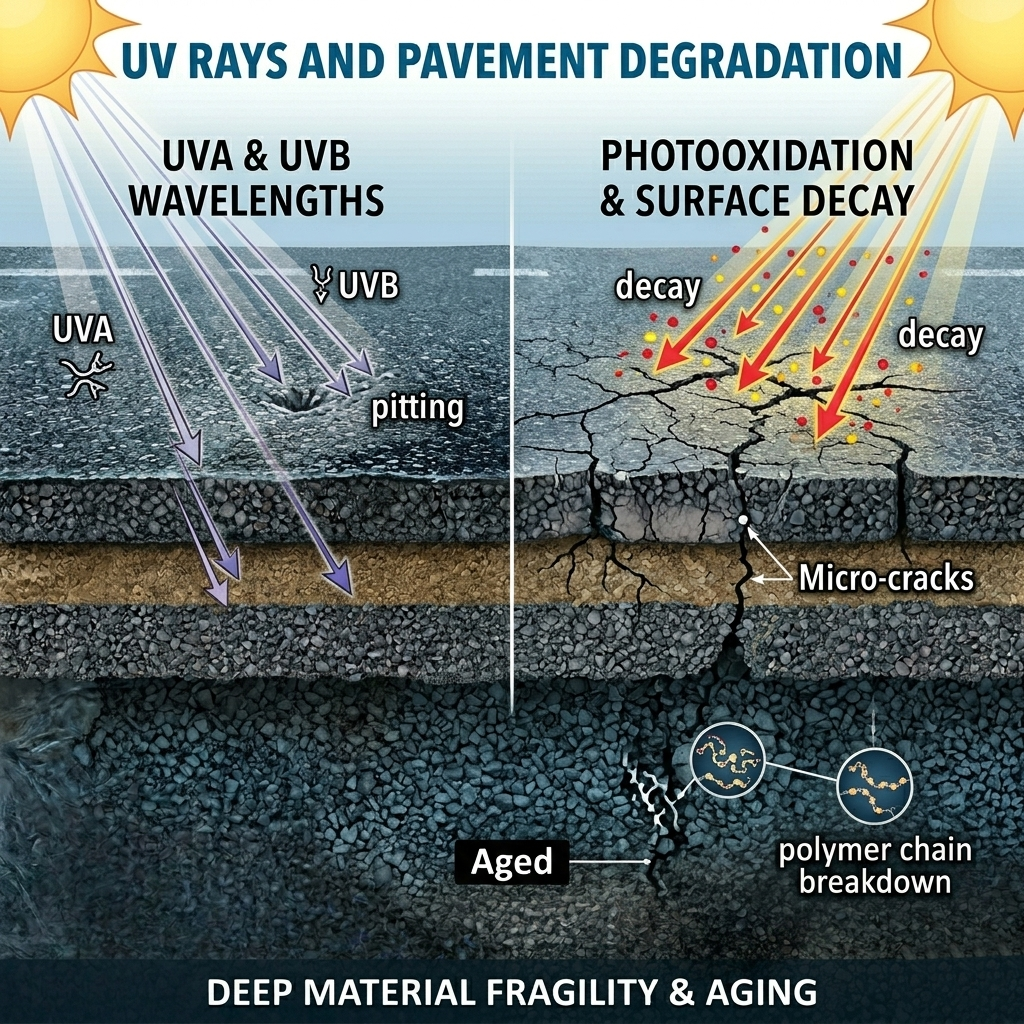
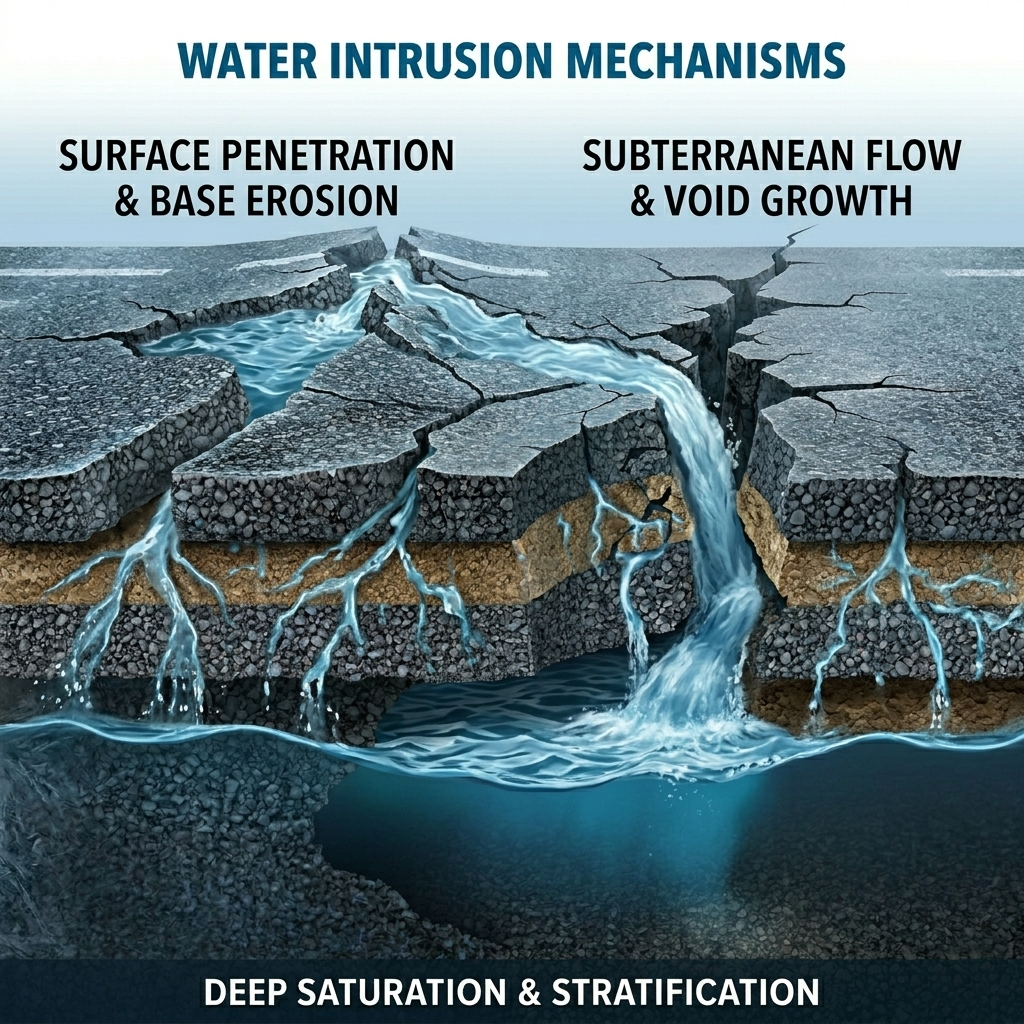
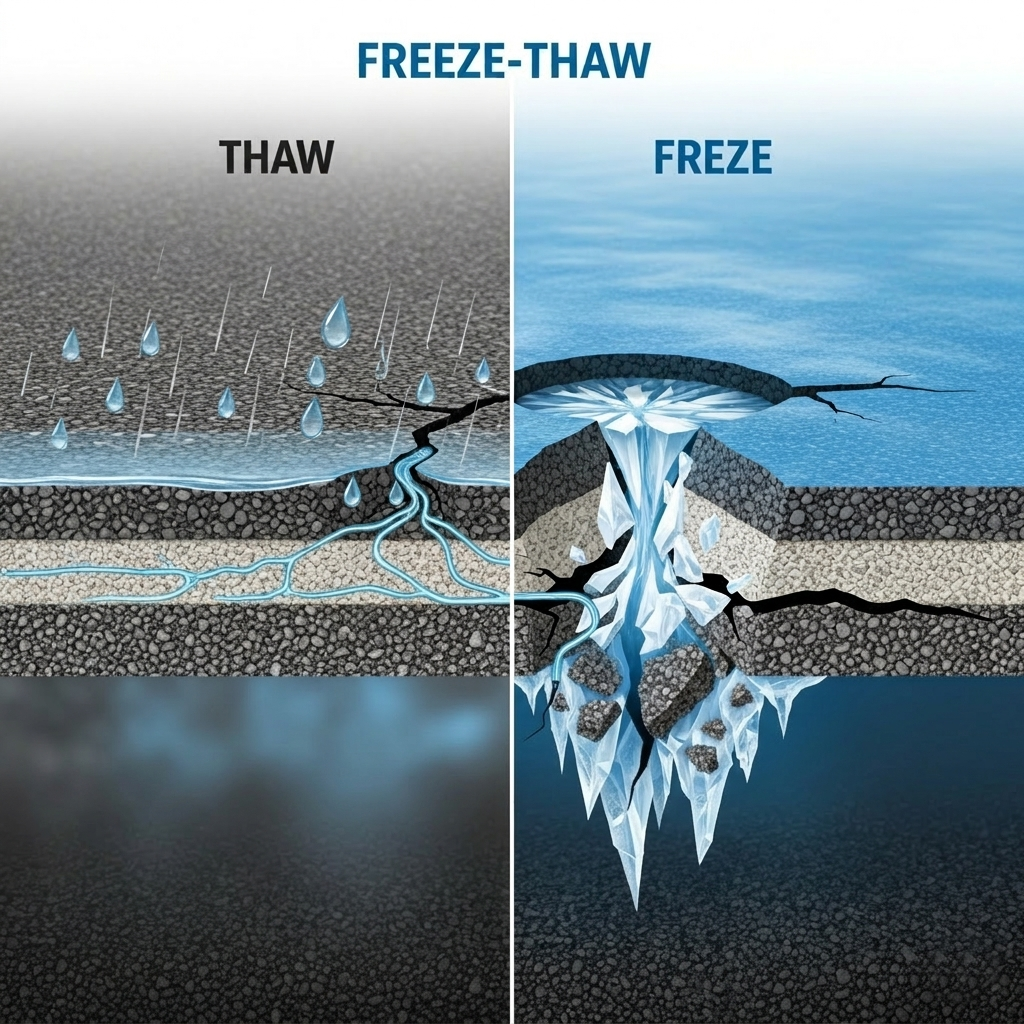
The Four Primary Causes of Pavement Failure