When’s the Best Time to Pave or Sealcoat Your Driveway in Loveland, CO?
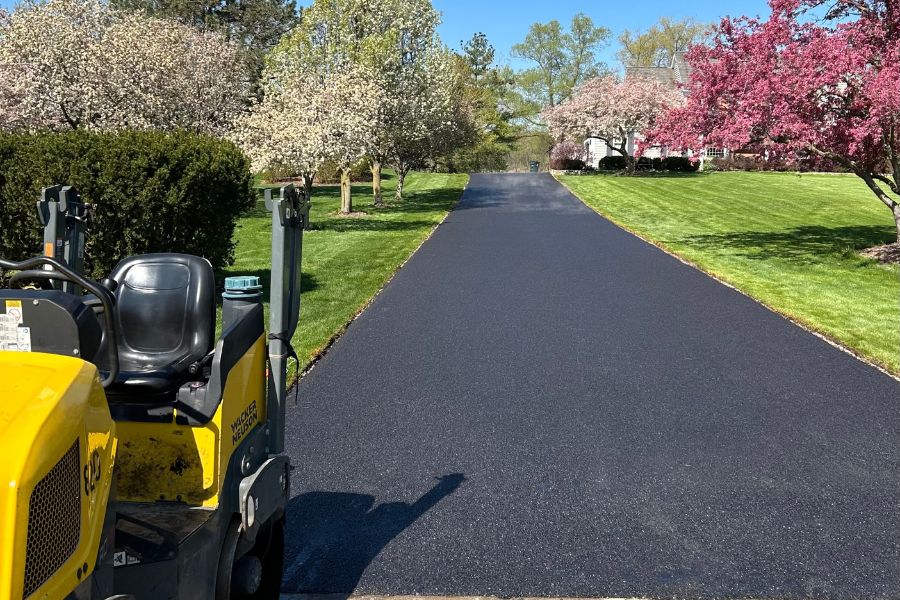
If you’re planning a new driveway or wondering when to reseal the one you have, timing matters more than most Loveland homeowners realize. Colorado’s freeze-thaw climate is hard on asphalt, and paving or sealcoating at the wrong time of year can shorten the life of your investment. Here’s what our crews at OZ Paving recommend for getting the timing right along the Front Range.
1. The Paving Season in Loveland Runs Late April Through October
Hot-mix asphalt needs to be installed and compacted while it’s still warm and workable, so asphalt companies in Loveland and Fort Collins typically pave from late April through October. Air and ground temperatures should be at least 50°F and holding, with 70°F or warmer considered ideal. Pave too early in spring or too late in fall, and the mix can cool and stiffen before it’s properly compacted, leading to weak spots that crack or crumble well before their time.
2. Why Freeze-Thaw Cycles Make Timing Critical
Front Range winters swing between sunny 50-degree afternoons and hard freezes overnight, and that constant expansion and contraction is the number one cause of potholes and cracking in Loveland driveways and parking lots. Asphalt installed in the right temperature window cures into a dense, stable surface that resists this cycle far better than asphalt rushed in during marginal weather.
3. New Asphalt Needs Time to Cure Before Sealcoating
A brand-new driveway needs to cure for a minimum of 90 days before it’s sealcoated, and in Colorado’s climate we often recommend waiting until the following spring, especially for asphalt installed in late summer or fall. Sealcoating too soon traps oils and solvents that haven’t finished off-gassing, which can lead to a soft or bubbling surface instead of the durable finish you’re paying for.
4. Existing Driveways Should Be Resealed Every 2-3 Years
For asphalt that’s already cured, sealcoating every two to three years is the best way to protect it from UV exposure, de-icing chemicals, and the freeze-thaw damage that’s so common in Loveland and across Northern Colorado. Scheduling this maintenance in late spring through early fall, when temperatures are consistently warm and dry, gives the sealcoat the best chance to cure properly before winter arrives.
5. Signs You Shouldn’t Wait to Call a Professional
Alligator cracking, potholes, and faded or crumbling edges are all signs your driveway is past due for repair or resealing. Catching these issues before the next freeze-thaw cycle can mean the difference between a simple sealcoat and a full repave.
Ready to plan your project around Colorado’s paving season? Contact OZ Paving for a free estimate on driveway paving, repair, or sealcoating in Loveland, Fort Collins, and the surrounding Front Range communities.