Slurry Seal vs. Sealcoating: Benefits for Parking Lots & Roads
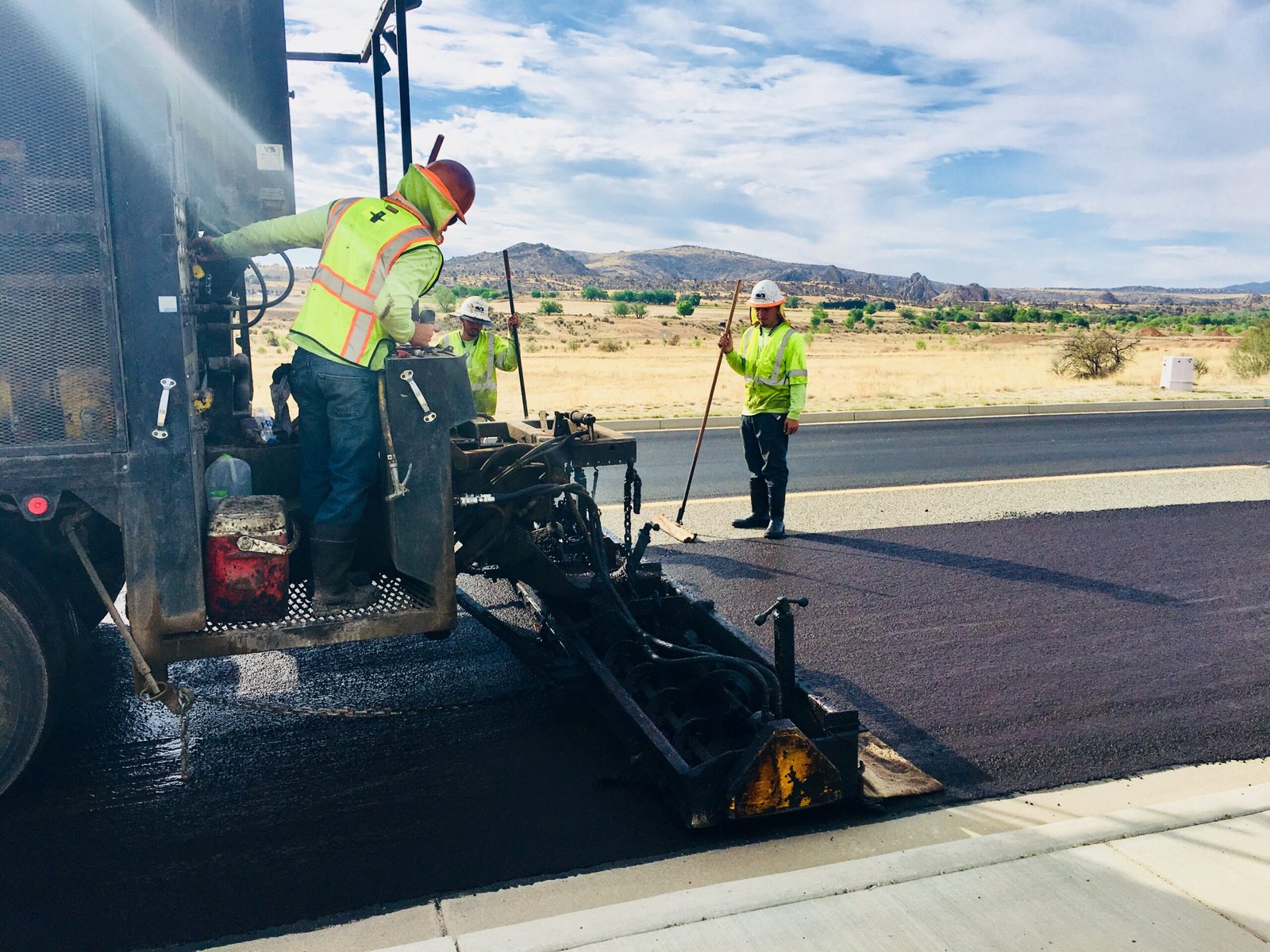
When an asphalt parking lot or neighborhood road starts looking dry, rough, or worn, another coat of sealer may not be the best next step. Slurry sealing can renew the wearing surface of structurally sound pavement, making it an option worth considering for commercial parking lots, HOA roads, and private streets.
This guide compares slurry seal vs. sealcoating, explains the benefits of asphalt pavement preservation, and puts published service-life figures in context so property owners can plan with confidence.
What is slurry sealing?
Slurry seal is a pavement maintenance treatment made from asphalt emulsion, carefully graded fine aggregate, water, and, when specified, mineral filler and additives. A specialized machine mixes and spreads the material across existing asphalt to create a new, textured wearing surface.
The International Slurry Surfacing Association describes different slurry types for different needs: finer mixtures can suit parking lots and residential applications, while other gradations address weathering, raveling, and surface friction. Choosing the right mixture is part of a successful parking lot slurry seal or road slurry sealing project.
Slurry seal vs. sealcoating: what is the difference?
Here, “sealcoating” means the conventional thin protective sealer commonly used on asphalt parking lots. Roadway “seal coat” can also mean chip seal, which is a different treatment.
Both slurry seal and conventional sealcoating can help protect asphalt and improve its appearance. Some parking lot sealers also contain sand or aggregate. The practical distinction is the designed surface treatment: slurry seal places an aggregate-rich wearing course to renew surface texture, while conventional sealcoating is generally selected as a thinner protective coating.
- Consider slurry seal when a sound pavement needs renewed texture and a wearing surface to address weathering or minor raveling.
- Consider conventional sealcoating when the asphalt remains in good condition and the main goal is routine surface protection and a refreshed appearance.
- Consider repairs or an overlay first when the pavement has potholes, widespread alligator cracking, deep rutting, or a failing base.
The right choice depends on pavement condition, traffic, turning movements, access needs, and the complete maintenance budget. Slurry seal is not automatically the best choice for every parking lot.
Five benefits of slurry sealing a parking lot or road
1. Renew the asphalt wearing surface
Slurry seal provides a fresh, aggregate-rich surface over existing pavement. For owners dealing with a weathered road or a parking lot beginning to lose fine surface material, that renewed wearing surface can be more useful than choosing a treatment mainly for its dark appearance.
2. Address minor surface raveling and weathering
As asphalt ages, its surface can become rough and begin shedding aggregate. On an appropriate pavement, slurry sealing helps preserve the surface before deterioration calls for more extensive work. Preparation still matters: damaged areas and suitable cracks need attention before the treatment goes down.
3. Restore surface texture
The aggregate in a properly designed slurry mixture helps restore texture and can improve friction. The Federal Highway Administration’s description of preservation treatments identifies friction improvement and sealing small surface voids among slurry seal’s functions. Actual traction depends on the mixture, construction quality, pavement, and conditions; a textured surface is not a guarantee against slipping or crashes.
4. Help protect against water and weather
Water entering pavement contributes to deterioration. By sealing small surface voids, slurry seal helps limit water intrusion and protects the existing surface from weathering. It belongs in a broader asphalt maintenance plan that also addresses drainage and crack repair.
5. Gain useful years before more extensive resurfacing
The strongest reason to consider slurry sealing is preservation: treating suitable pavement while it is still serviceable can help postpone more extensive resurfacing. For HOA pavement maintenance and commercial property planning, those additional years can help spread major capital work across a longer budget cycle.
What do published statistics say about slurry seal?
Two public-agency references illustrate the potential benefit:
- 4–7 years of reported service-life extension: FHWA’s 2010 performance evaluation of rehabilitation and preservation treatments reports this range for slurry seal on hot-mix asphalt pavement in its summary of state-provided treatment information.
- 5–7 years of street-life extension: The City of Sacramento’s road resurfacing guidance describes this expected benefit for slurry seal in its street maintenance program.
These figures describe agency experience and expectations for suitable roads. They are not a warranty for every parking lot or a head-to-head finding that slurry seal lasts a fixed percentage longer than sealcoating. Existing condition, traffic, weather, drainage, materials, and workmanship all affect results. Ask for a site-specific recommendation instead of relying on a universal lifespan or savings claim.
When may slurry seal be better than sealcoating?
A slurry seal contractor should evaluate whether the pavement is structurally sound but needs more surface renewal than a conventional thin sealer provides. Good candidates can include:
- Commercial parking lots with weathering, minor raveling, or worn surface texture.
- HOA roads and neighborhood streets where preserving existing asphalt is part of a planned maintenance program.
- Private roads and access roads that need a renewed wearing surface before deterioration becomes more extensive.
Parking lots deserve particular attention to tight turns, loading areas, delivery trucks, and other concentrated stresses. A contractor should assess those conditions and explain whether slurry seal, conventional sealcoating, another surface treatment, or localized repairs offer the best fit.
When does asphalt need something else?
Slurry seal does not add structural capacity. FHWA specifically notes this limitation in its treatment overview. It cannot correct a weak base, solve drainage failures, or rebuild broken pavement. Covering serious distress without repairing its cause can waste a maintenance budget.
Likewise, sound, lightly used asphalt may need only conventional sealcoating. Compare the full proposed scope—including patching, crack preparation, traffic control, curing, and restriping—before comparing prices. A lower initial price and a lower long-term cost are different questions.
Plan a slurry seal project in Colorado, New Mexico, Kansas, or Wyoming
For parking lot maintenance and road preservation across Colorado, New Mexico, Kansas, and Wyoming, planning should start with the pavement itself. Temperature, rain risk, curing conditions, and property access all influence the work schedule.
HOA boards and property managers should plan resident or tenant notices, temporary parking, emergency access, phased closures where practical, and new striping. Keep vehicles off the treatment until the contractor confirms it is ready; reopening too early can damage the fresh surface.
Slurry sealing FAQs
How long does slurry seal last?
Published agency references above describe several years of added pavement life, including FHWA’s reported 4–7-year range. Your property’s expected result should be based on its condition and use, with continued maintenance as needed.
Will slurry seal fix cracks and potholes?
No. Appropriate crack treatment and pavement repairs should be planned before slurry application. Slurry sealing is surface preservation, not a substitute for structural repair.
Is slurry seal the same as chip seal?
No. Slurry seal mixes fine aggregate with asphalt emulsion before spreading. Chip seal applies binder and aggregate in separate steps. Learn about both options on our slurry and chip seal services page.
Find the right asphalt maintenance option with OZ Paving
Considering slurry sealing for a parking lot, HOA road, or private street? OZ Paving can help evaluate the surface and discuss the treatment that fits your pavement and project goals.
Request a quote for slurry sealing and pavement maintenance, or explore our slurry seal and chip seal services to start planning your project.
